Breakthrough Technology Eliminates Need for Cuffs
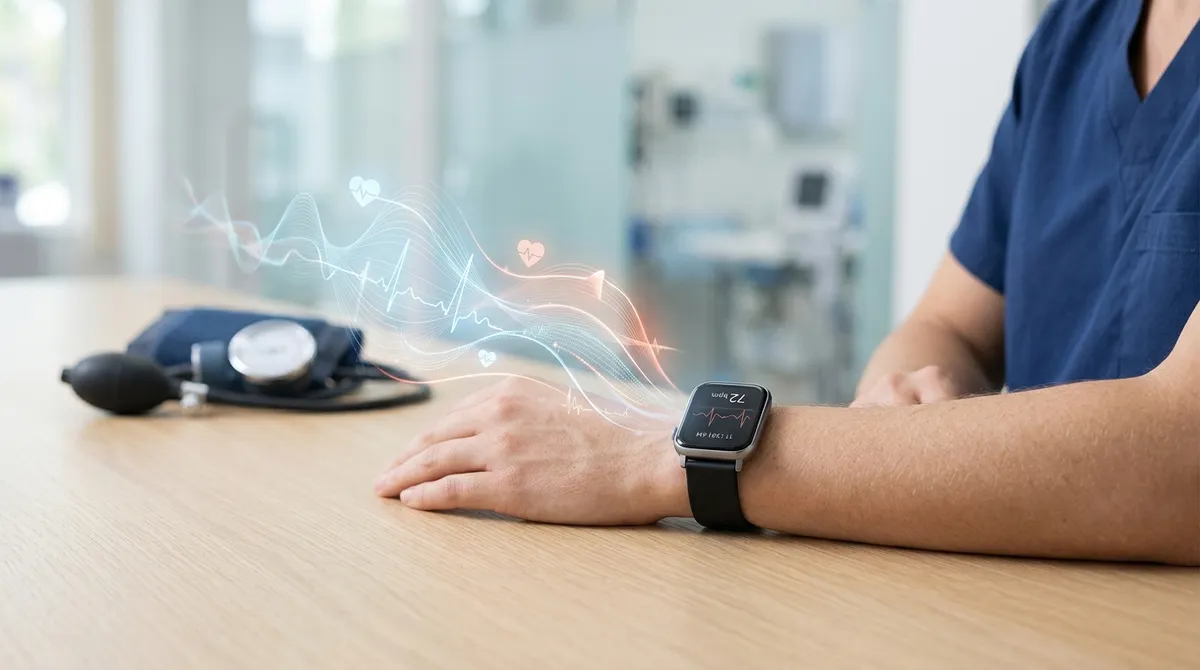
Researchers from the University of Utah and University of Illinois, Chicago have developed a revolutionary smartwatch that continuously monitors blood pressure without the need for uncomfortable inflatable cuffs. The device uses bioimpedance technology, which involves electrical current, combined with physics-informed machine learning to track cardiovascular health in real-time.
This innovation addresses a critical gap in health monitoring, as traditional blood pressure measurements provide only occasional snapshots rather than continuous data. According to reports, the new approach offers what researchers describe as "the full movie" of blood pressure patterns, compared to the single "snapshot" provided by conventional cuff-based monitoring.
Why Continuous Monitoring Matters
High blood pressure represents a significant health threat, often called a "silent killer" due to its links to heart attacks, strokes, and aneurysms. Current monitoring methods rely on periodic clinical readings, which can miss crucial fluctuations that occur throughout daily activities.
The continuous waveform tracking capability of this new wearable technology reveals patterns and variations that standard cuffs typically miss. This real-time data collection could transform how patients manage hypertension and provide healthcare providers with more comprehensive cardiovascular health insights.
Advanced AI Makes the Difference
What sets this device apart from other wearable health technology is its use of physics-informed machine learning rather than traditional "black box" AI approaches. This method is considered more trustworthy for clinical applications because it incorporates established physical principles into its algorithms.
The evolution from light-based sensors commonly found in current fitness trackers to electrical bioimpedance represents a significant technological advancement in wearable health monitoring. This new approach provides more accurate and clinically relevant data for blood pressure tracking.
Real-World Testing Validates Effectiveness
The credibility of this breakthrough technology has been established through extensive real-world testing on 150 people, including patients in intensive care units (ICU). This comprehensive testing approach demonstrates the device's clinical readiness and potential for immediate healthcare applications.
The ICU testing is particularly significant, as these patients require constant cardiovascular monitoring, making them ideal subjects for validating the accuracy and reliability of continuous blood pressure measurement technology.
Impact on Healthcare and Daily Life
For health-conscious consumers and individuals managing cardiovascular conditions, this technology could revolutionize daily health monitoring routines. The elimination of cumbersome cuffs makes blood pressure tracking more convenient and less intrusive, potentially leading to better patient compliance and more consistent health data collection.
The device's ability to provide continuous monitoring also offers valuable insights for stroke and heart attack prevention. By detecting subtle changes in blood pressure patterns throughout the day, healthcare providers may be able to intervene earlier and more effectively.
Looking Ahead
This advancement represents a significant step forward in wearable health technology, moving beyond basic fitness tracking to provide clinically relevant cardiovascular monitoring. The combination of bioimpedance technology and physics-informed AI creates a foundation for more sophisticated health monitoring capabilities in consumer devices.
As wearable technology continues to evolve, this breakthrough demonstrates the potential for seamless integration of advanced medical monitoring into everyday life, making critical health data more accessible while reducing the barriers associated with traditional monitoring methods.