In the world of gaming, the allure of "free-to-play" titles draws millions of players, especially adolescents. However, a recent study highlights an issue that lurks beneath the surface: these games often come with hidden costs. Understanding these expenses can empower you as a player, parent, or guardian to navigate gaming choices more wisely.
The Reality Behind Free Games
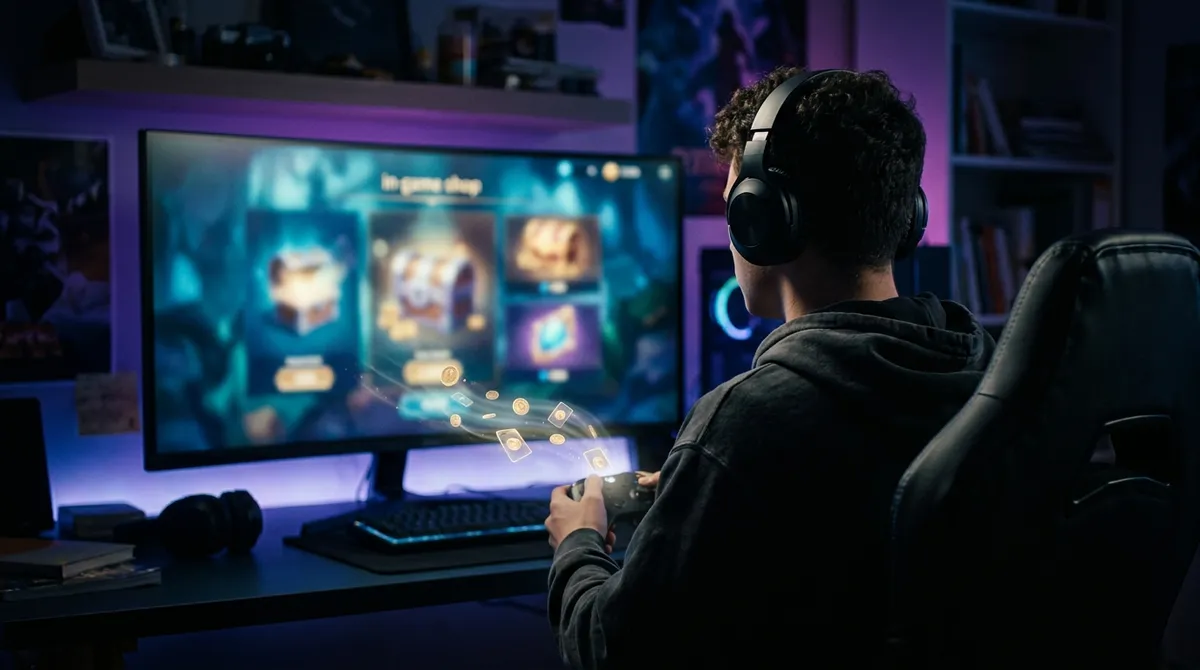
While the term "free-to-play" suggests that no money is required to enjoy the game, the truth is more complicated. Many games incorporate microtransactions, battle passes, and virtual currencies, crafted to encourage players to spend.
Microtransactions and Their Impact
Microtransactions are commonplace in many free-to-play games. They allow players to purchase in-game items or upgrades, and while they might seem harmless, they can quickly lead to significant spending. The study indicates that a small minority of users—often referred to as "heavy spenders"—are responsible for a large portion of game revenue. This group experiences not just monetary consequences but can also suffer from gaming and gambling-related issues.
Battle Passes and Rotating Shops
Two prominent features in many modern games are battle passes and rotating shops.
Battle Passes
Battle passes offer players a tiered system of rewards for completing challenges within a specific timeframe. While the initial cost may seem low, the desire to unlock every reward can lead to impulse buying, similar to gambling behaviors. Developers intentionally design these passes to create a sense of urgency, pushing players to spend more to ensure they get every item before time runs out.
Rotating Shops
Rotating shops, where in-game items are available for limited time periods, further drive spending. Players can feel compelled to spend immediately to avoid missing out. This scarcity tactic mirrors certain gambling mechanisms, and the pressure to buy can create an environment where players justify spending more than they initially planned.
The Economic Landscape of Free-to-Play
The study underscores an essential aspect of free-to-play games: they are not funded by all players equally. Instead, most game revenue is generated by a small percentage of users. This dependence on heavy spenders raises questions about the sustainability of these gaming models and the responsibilities of developers to their communities.
A Call for Protection
As gaming expands, so does the need for greater regulation. Governments are increasingly examining these digital products’ addictive qualities, often noting that video games are less regulated than gambling or social media, despite the similar risks they present. The findings of this study intensify the demand for protective measures, particularly for younger players who may not fully comprehend the long-term impact of their spending.
What Parents Should Know
For parents with children who play these games, understanding the mechanics of microtransactions can be crucial. Conversations about spending limits and the psychological traps of gameplay can help set a safety net. In addition, being aware of game mechanics like battle passes and rotating shops will allow parents to recognize when their kids might be feeling pressured to spend.
Why Regulation Matters
Regulating dark patterns in games that encourage impulsive spending is becoming increasingly critical. With the distinction between gaming and gambling growing increasingly blurry, it’s essential to advocate for stronger protections that can safeguard vulnerable players.
In conclusion, while free-to-play games can provide enjoyable experiences, the hidden costs through microtransactions, battle passes, and other strategies prompt a need for awareness and regulatory action. By educating yourself and those you care about, you can make informed choices in a gaming landscape that can too easily exploit its players.