Critical Vulnerability Discovered in AI Cancer Detection Systems
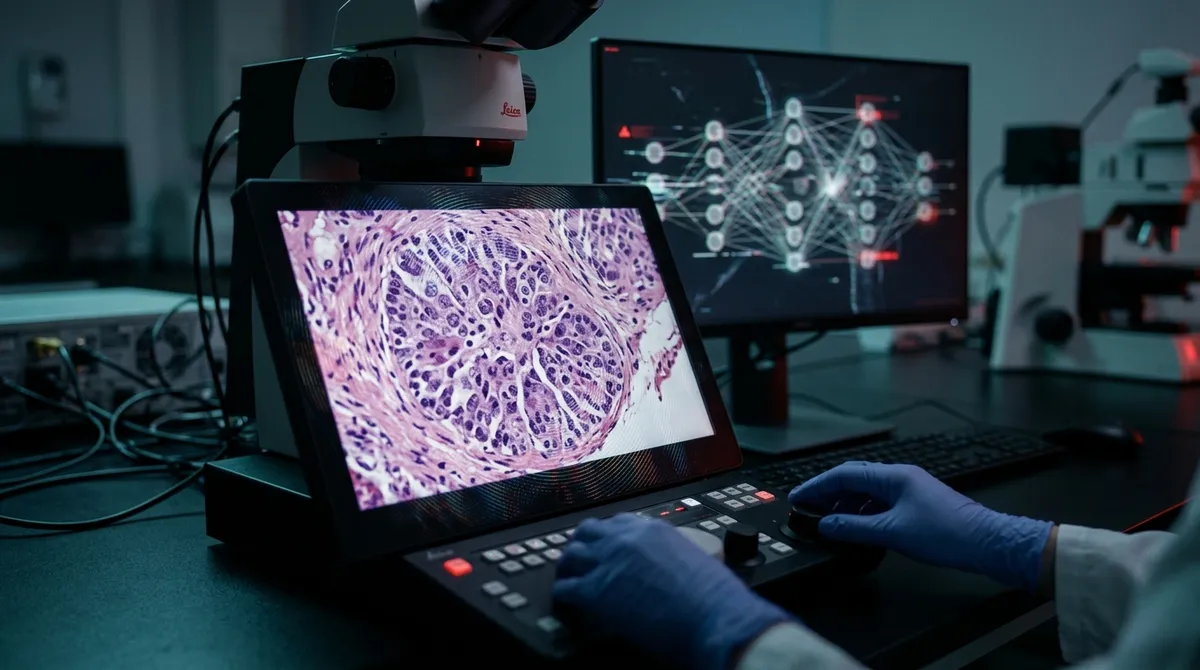
UCLA researchers have uncovered a concerning security flaw in artificial intelligence systems used for cancer detection, revealing that microscopic noise patterns can deceive multiple AI pathology models simultaneously. The discovery exposes what researchers describe as a major clinical safety gap in AI-powered healthcare systems.
The study demonstrates that these subtle perturbations, known as universal and transferable adversarial perturbations (UTAP), can be generated in under 15 minutes while proving effective across different tissue types and AI models. According to reports, these microscopic noise patterns are both universal across various tissue samples and transferable to previously unseen AI models.
The Speed and Scale of the Threat
What makes this vulnerability particularly concerning is the ease and speed with which these attacks can be executed. The research shows that adversarial patterns capable of fooling cancer-detection AI systems can be created in less than 15 minutes of training time. This rapid generation capability raises immediate questions about the security of AI systems currently being integrated into clinical workflows.
The universality of these perturbations means that a single adversarial pattern can potentially compromise multiple different AI pathology models, making the threat both widespread and efficient from an attacker's perspective.
Standard Defenses Prove Inadequate
Perhaps most troubling is the finding that conventional AI defense mechanisms fail to protect against these attacks. According to the research, standard defenses such as filtering prove insufficient against these sophisticated adversarial perturbations.
This failure of traditional protective measures suggests that the AI healthcare industry may need to fundamentally reconsider its approach to security. The researchers indicate that instead of relying solely on technical defenses, a human-in-the-loop clinical framework may be necessary to ensure patient safety.
Implications for Healthcare AI Adoption
The timing of this discovery is particularly significant as AI foundation models are rapidly being integrated into clinical pathology workflows for cancer detection and diagnosis. The research highlights a critical gap between the accelerating adoption of AI in healthcare and the security realities that healthcare institutions must address.
As hospitals and medical facilities increasingly rely on AI-powered diagnostic tools, this vulnerability exposes what could become a serious patient safety issue. The study raises important questions about what healthcare institutions need to know before fully trusting AI pathology models with critical diagnostic decisions.
Foundation Models Under Scrutiny
The research also sheds light on the broader issue of brittleness in AI foundation models. These general-purpose systems, while promising significant enhancements in various medical tasks including cancer detection and subtyping, appear to have fundamental vulnerabilities that could compromise their reliability in clinical settings.
The fact that these adversarial attacks can target foundation models specifically is concerning, given that these systems are often positioned as more robust and capable than specialized AI tools. The universal nature of the perturbations suggests that even the most advanced AI models may be susceptible to these attacks.
A Call for Proactive Security Research
The UCLA researchers frame their work within the context of ethical hacking—identifying vulnerabilities before they can cause real-world harm. This approach to AI security research aims to protect patients by stress-testing AI systems before they reach widespread clinical deployment.
According to reports, this type of security research is becoming increasingly urgent as the gap between AI capabilities and AI safety measures continues to widen in healthcare applications. The study serves as a wake-up call for the medical AI community to prioritize security alongside performance improvements.
Looking Ahead: Safer AI in Medical Practice
The discovery of these vulnerabilities doesn't necessarily mean AI should be abandoned in medical settings, but it does underscore the need for more robust security frameworks. The research suggests that a combination of technical improvements and procedural safeguards, including enhanced human oversight, will be necessary to create truly safe AI-powered diagnostic systems.
As AI continues to transform healthcare, studies like this one play a crucial role in ensuring that technological advancement doesn't come at the expense of patient safety. The challenge now lies in developing AI systems that can harness the benefits of these powerful technologies while maintaining the security and reliability that medical applications demand.