TL;DR
Researchers have developed an AI tool that predicts the flame resistance of epoxy resins, enabling faster and more cost-effective material safety assessments, particularly for industries like electronics and construction.
The Bright Side of AI in Material Safety
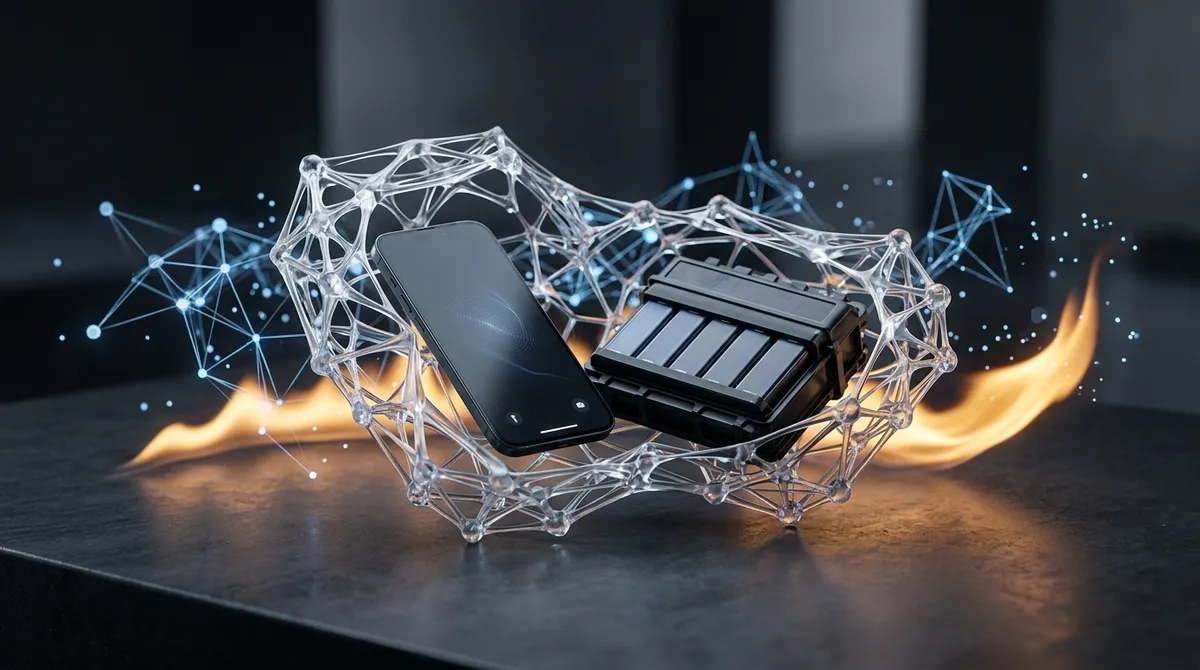
Think about the last time you bought a gadget; perhaps it was a shiny new smartphone or an electric vehicle (EV). As technology advances, the safety of materials used in these devices becomes crucial. Manufacturers are under increasing pressure to ensure that the materials they use can withstand fire hazards. Enter AI, the game-changer in materials discovery and safety!
Smart Chemistry Meets AI
At the forefront of this revolution is the team at IMDEA Materials Institute, who have designed a groundbreaking AI model that predicts the flame resistance of materials, particularly epoxy resins. But how does this work?
Data-Driven Predictions
The model utilizes data derived from phosphorus-based flame-retardant composites. By analyzing this data, the AI can accurately forecast critical fire-safety indicators based on testing standards like UL-94 and LOI (Limiting Oxygen Index). This means that materials engineers can receive valuable insights into how safe a new material is at lightning speed, rather than enduring the lengthy process of traditional lab testing.
What Are UL-94 and LOI?
For those not in the know, UL-94 is a standard used to measure the vertical burning behavior of plastic materials. The grades it offers—from V0 to V2—indicate how quickly a material will ignite and how long it will burn. LOI, on the other hand, measures the minimum concentration of oxygen required to sustain combustion. Higher LOI values indicate better flame resistance.
Why This Matters to You
- Safer Electronics: From smartphones to electric vehicles, these materials are everywhere. Ensuring they pass flame resistance tests protects consumers from potential fire hazards.
- Faster Development Timelines: The use of AI can significantly reduce the time taken to develop and certify new materials. This means safer products can reach the market sooner.
- Cost Efficiency: Relying on AI reduces the costly and time-consuming efforts associated with lab trials and errors.
The Challenge of Developing Flame-Retardant Materials
Flame-retardant materials are notoriously challenging to develop. This is due to the balance between enhancing fire resistance and maintaining other essential properties such as strength, flexibility, and ease of processing. The AI tool facilitates this balancing act by pinpointing suitable compositions faster than traditional methods would.
The Shift Towards AI-Driven Materials Discovery
As the world moves increasingly towards automation, this AI-driven approach is paving the way for significant advancements in materials science. This transition away from the traditional slow lab trials towards data-driven predictive modeling allows for more innovative, safer, and diverse material options.
Applications Beyond EVs
While the automotive industry benefits immensely from these developments, the implications stretch far beyond. Industries such as aerospace, construction, and consumer electronics can leverage these AI tools to enhance their product safety and efficiency.
Why Halogen-Free Flame Retardants Matter
In recent years, there has been a global push towards halogen-free flame retardants. These materials are more environmentally friendly and safer for human health, aligning with regulations in many regions. The AI model can help identify suitable halogen-free options without sacrificing performance—a win-win situation for manufacturers and consumers alike!
In Conclusion
The integration of AI into materials science, particularly in predicting flame resistance, marks a notable shift in the industry. It not only promises safer products but also streamlines the development process, ultimately benefiting industries like electronics and construction. As technology continues to evolve, who knows what other innovative gadgets and materials we’ll see in the near future? Stay tuned and keep an eye on the advancements; the future is looking brighter—and safer!