From Floppy Disks to GitHub: The Forgotten Origins of Gaming Culture
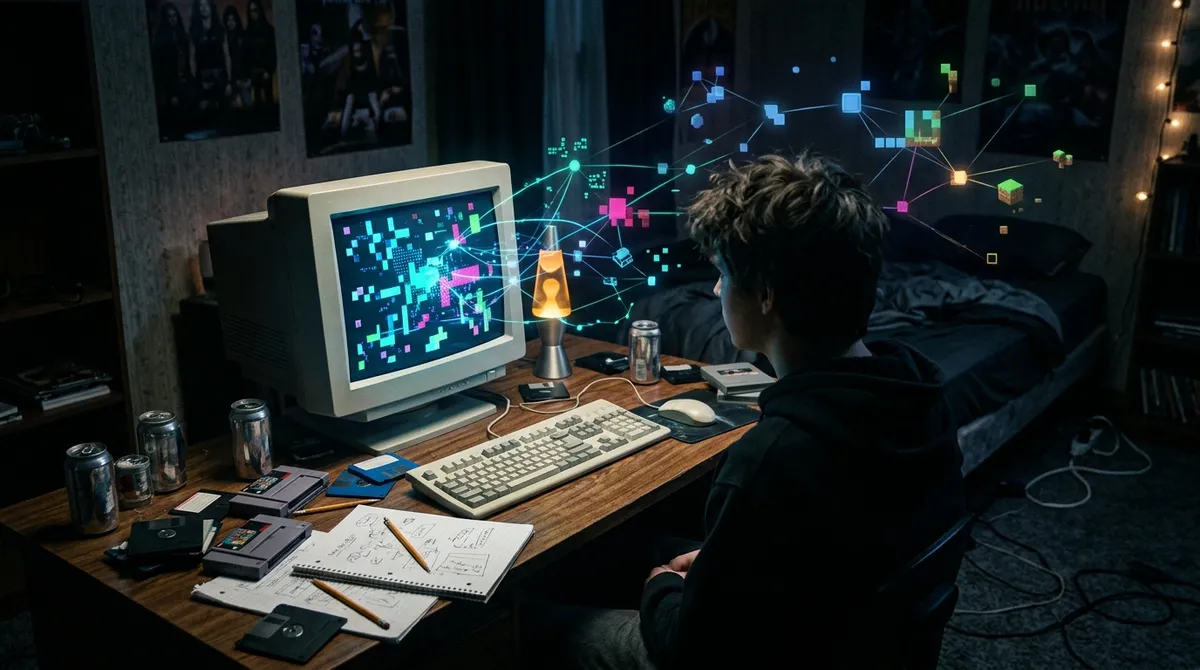
Long before Discord servers and GitHub repositories became the backbone of game development, a generation of teenage programmers was quietly building the foundations of modern collaborative coding culture. According to reports, these young hobbyists relied on floppy disks and primitive bulletin board systems to share code, troubleshoot problems, and create the early game projects that would eventually influence today's indie development scene.
Among these bedroom coders was Markus Persson, who would later create Minecraft—one of the most successful independent games in history. But Persson's story represents just one thread in a larger tapestry of early computing culture that helped shape how developers work together today.
The Pre-Web Underground
In the days before the internet became mainstream, enthusiastic young programmers faced a unique challenge: how to connect with like-minded creators when physical distance separated them. The solution came in the form of bulletin board systems (BBS), which emerged as the first virtual communities for programmers to share knowledge and collaborate on projects.
These early systems allowed teenage developers to upload their code, seek help with programming challenges, and discover new techniques from peers around the world. Trading programs on floppy disks became a common practice, creating an underground network of young creators who were essentially teaching themselves software engineering through trial, error, and community support.
Accidental Software Engineering School
What many of these young programmers didn't realize at the time was that their hobby was providing them with a comprehensive education in software development. According to reports, early game development served as an informal training ground for programming skills that would later prove invaluable in professional software engineering roles.
The collaborative nature of these early communities fostered a spirit of open knowledge sharing that would eventually evolve into today's open-source movement. Young developers learned not just how to write code, but how to work together, share resources, and build upon each other's innovations.
The Path to Modern Development Culture
The influence of these early bulletin board communities can be traced directly to many aspects of today's development ecosystem. The same collaborative spirit that drove teenagers to share code on floppy disks now powers platforms like GitHub, where millions of developers contribute to open-source projects.
Modern gaming communities on Discord and Reddit echo the discussion forums that first emerged on bulletin board systems. The culture of modding, indie development, and creator-led tech communities all have roots in these early networks of bedroom programmers who were experimenting with code decades before the internet made such collaboration commonplace.
Minecraft and the Creator Economy
The success of Minecraft represents perhaps the most visible example of how this early collaborative culture evolved into a global phenomenon. The game's emphasis on creativity, community-driven content, and open-ended gameplay reflects many of the values that characterized early BBS communities—experimentation, sharing, and building upon others' work.
Today's indie game development scene, with its emphasis on small teams and innovative gameplay, bears a strong resemblance to the bedroom coding culture of the 1980s and 1990s. Many successful indie developers continue to embrace the same DIY ethic and community-focused approach that characterized those early programming communities.
Relevance in the AI Era
As modern creators increasingly rely on AI-assisted coding tools alongside traditional platforms like GitHub and Discord, the lessons from early BBS culture remain relevant. The fundamental principles of collaboration, knowledge sharing, and community-driven innovation that emerged from those early bulletin board systems continue to influence how developers work together today.
The story of teenage bedroom coders serves as a reminder that many of today's most important technological innovations emerged not from corporate labs, but from young enthusiasts experimenting in their spare time. As nostalgia for early internet culture collides with renewed interest in indie development and creator-led communities, understanding these origins becomes increasingly important for anyone interested in the future of gaming and software development.
The next time you download a mod, contribute to an open-source project, or join a Discord server to discuss game development, remember that you're participating in a culture that began with teenagers trading floppy disks and connecting through primitive bulletin board systems—accidentally building the collaborative foundation that supports today's entire gaming ecosystem.